Beyond the Pickup Window: Nine Pharmacist Services Hiding in Plain Sight
Ask most people what a pharmacist does, and the answer involves counting pills and ringing up purchases. In reality, today's community pharmacist is a trained clinician—typically holding a Doctor of Pharmacy degree—who offers a suite of services that many patients never think to request. Here are nine worth knowing about.
1. Immunizations
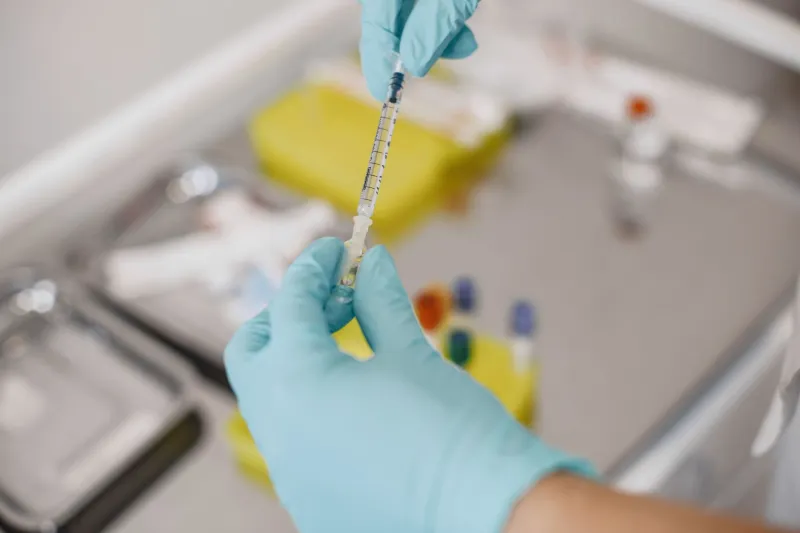
Pharmacists in all fifty states can administer vaccines, and most chains and many independents offer flu, COVID-19, shingles, pneumonia, Tdap, and more—often with no appointment and no office-visit fee. Insurance typically covers them at $0 cost-sharing under the ACA. Walk in, or ask at drop-off.
2. Medication Therapy Reviews
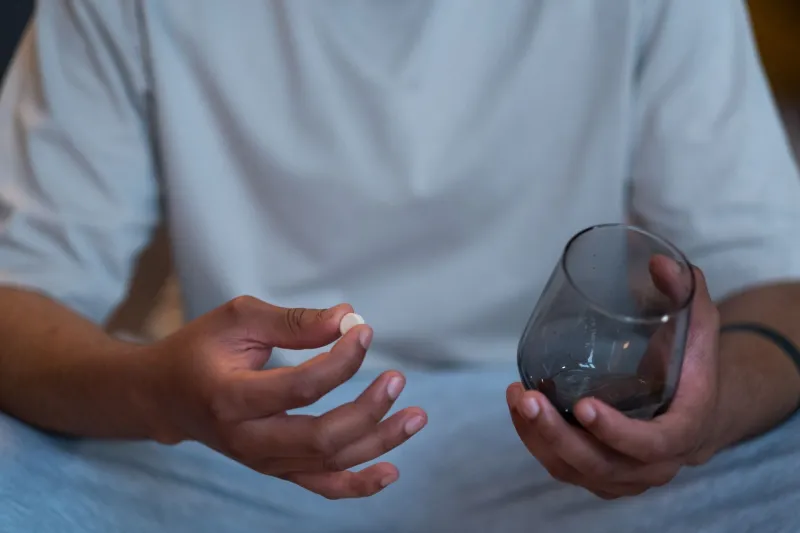
A comprehensive medication review—sometimes called a "brown bag review," because you literally bring all your medications in a bag—lets the pharmacist spot interactions, duplications, and expired products across everything you take, including supplements. Medicare Part D plans often cover annual medication therapy management (MTM) sessions at no cost to eligible patients. Ask: "Do you offer medication reviews, and can I schedule one?"
3. Blood Pressure and Health Screenings
Many pharmacies offer free or low-cost blood pressure checks, and some run screening events for cholesterol, blood glucose, and bone density. For the estimated half of American adults with hypertension, a free cuff reading between doctor visits is a genuinely useful data point.
4. Prescription Synchronization
If you juggle multiple maintenance medications, med sync aligns all refills to a single monthly pickup date. Fewer pharmacy trips, fewer missed refills, and a built-in monthly touchpoint with your pharmacist. Enrollment takes one conversation.
5. Travel Health Consultations
Planning international travel? Some pharmacists provide destination-specific guidance—vaccination timing, traveler's diarrhea kits, motion sickness options—and can administer required immunizations like typhoid or yellow fever where regulations permit. Call several weeks before departure.
6. Disposal of Old Medications
Pharmacies increasingly serve as drug take-back sites, with secure kiosks for expired or unneeded medications. Proper disposal protects your household and keeps pharmaceuticals out of waterways. It's free and usually requires no questions asked.
7. Counseling on New Prescriptions
You are entitled to counseling on every new prescription—what it treats, how to take it, what side effects to expect. Many patients waive this by rushing through the drive-thru. Slow down; this is the service the profession was built on.
8. Point-of-Care Testing
A growing number of pharmacies offer tests for strep throat, influenza, and COVID-19, with some states allowing pharmacists to prescribe treatment on the spot. Availability varies by state, so call ahead.
9. Adherence Packaging
For patients managing complex regimens—older adults, in particular—pharmacies can package medications by date and time in blister cards, similar to what long-term care facilities use. This dramatically reduces dosing errors and is often available at little or no added cost.
How to Unlock These Services
The barrier, in most cases, is simply asking. A few practical tips:
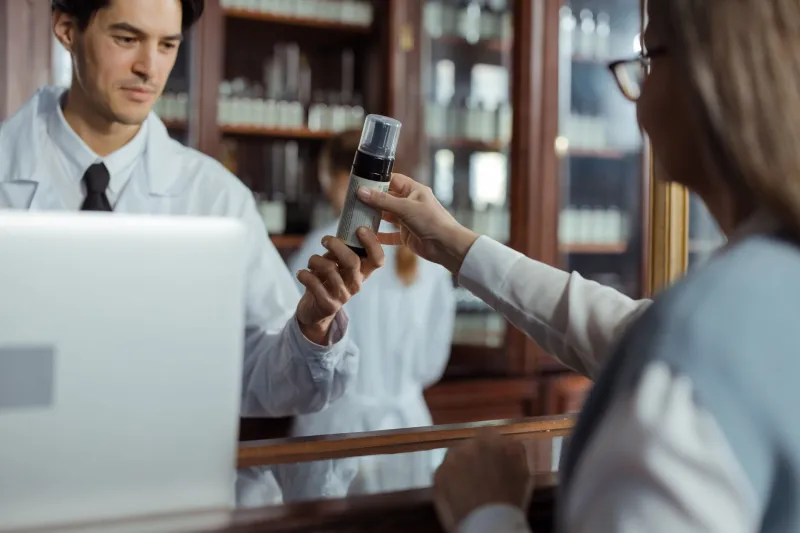
- Ask for the pharmacist, not the technician, when you want clinical advice—technicians are knowledgeable but legally restricted in what they can counsel on.
- Ask about cost upfront. Many services are free; some carry modest fees that insurance may not cover.
- Schedule strategically. Book a med review in January, before your deductible resets and schedules fill up.
The pharmacy is one of the last places in American healthcare where a clinician is available without an appointment, without a copay, and often without a wait. Treating it as more than a pickup window is one of the highest-return habits in self-directed healthcare.