Hidden Saboteurs: Everyday Habits That Quietly Undermine Your Medications
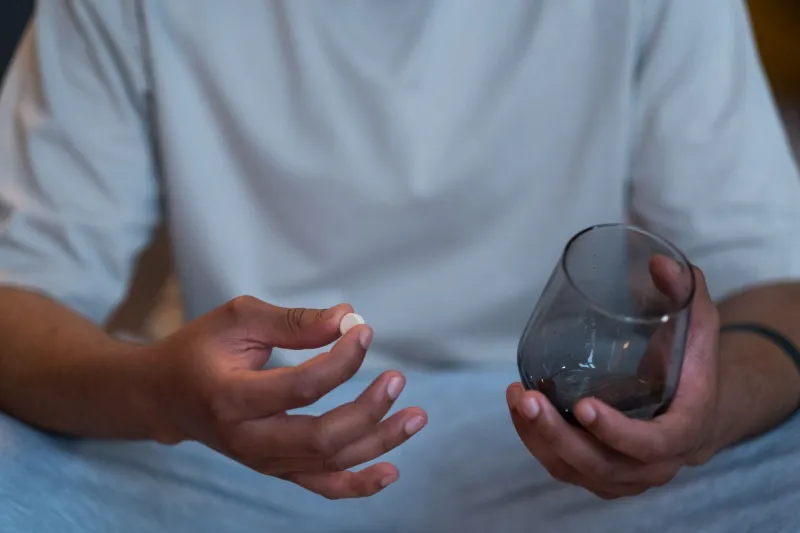
There is a particular kind of frustration that comes from doing everything your physician asked — filling the prescription, taking the medication consistently, following up at appointments — and still not feeling better. Sometimes the explanation is straightforward: the medication needs more time, or the diagnosis requires adjustment. But in a meaningful number of cases, something in the patient's daily routine is quietly interfering with how the drug is being absorbed, metabolized, or eliminated by the body.
These interactions do not always produce dramatic symptoms. They often manifest as reduced effectiveness, subtle side effects, or gradual changes that are easy to attribute to something else entirely. Understanding the most common culprits — and knowing when to loop in a pharmacist — is one of the most practical things you can do for your own health.
The Grapefruit Problem: More Serious Than It Sounds
The warning about grapefruit and certain medications appears so frequently on prescription labels that many patients have stopped reading it. That is a significant oversight.
Grapefruit — and to a lesser extent, Seville oranges and certain pomelo varieties — contains compounds called furanocoumarins that inhibit a critical enzyme in the intestinal wall known as CYP3A4. This enzyme is responsible for breaking down a wide range of medications before they enter systemic circulation. When CYP3A4 is blocked, drug concentrations in the bloodstream can rise substantially — sometimes to levels that produce toxicity.
The list of medications affected is longer than most patients expect. It includes certain statins used to lower cholesterol, some calcium channel blockers prescribed for blood pressure and heart conditions, several immunosuppressants, and specific anti-anxiety medications. The interaction is not dose-dependent in the way most people assume: even a single glass of grapefruit juice can suppress the enzyme for up to twenty-four hours. Timing your grapefruit consumption away from your medication window does not eliminate the risk.
If you take any of these medication classes and regularly consume grapefruit or grapefruit-containing products, a direct conversation with your pharmacist is warranted. This is not a theoretical concern — it is a documented clinical issue with real consequences.
Caffeine: The Morning Ritual With Pharmacological Reach
Coffee is the most widely consumed psychoactive substance in the United States, and its interactions with medications are correspondingly broad. Caffeine affects the central nervous system, modulates adenosine receptors, and influences the metabolism of several drug classes in ways that are often unacknowledged.
For individuals taking thyroid medications such as levothyroxine, coffee presents a specific problem. Research has demonstrated that consuming coffee — including decaffeinated coffee — within an hour of taking levothyroxine can reduce the drug's absorption by as much as thirty percent. This is not a minor fluctuation; it can meaningfully affect thyroid hormone levels and leave the underlying condition undertreated despite consistent medication adherence. The standard recommendation is to take levothyroxine on an empty stomach with water and wait at least thirty to sixty minutes before consuming coffee.
Caffeine also interacts with certain antibiotics, particularly fluoroquinolones, by slowing the metabolism of caffeine itself — leading to elevated caffeine levels and associated effects like increased heart rate and difficulty sleeping. And for patients taking lithium, a mood stabilizer, caffeine consumption affects lithium excretion in ways that can alter therapeutic blood levels over time.
Supplements: The Interaction Category Most Patients Forget to Mention
A persistent challenge in medication management is that patients frequently do not consider vitamins and supplements to be medications. When a physician or pharmacist asks about current medications, supplements are often omitted — not out of deception, but because the mental category simply does not include them.
This omission matters considerably. St. John's Wort, a widely used herbal supplement marketed for mood support, is one of the most potent inducers of CYP3A4 in common use. Rather than inhibiting the enzyme the way grapefruit does, it accelerates it — causing the body to clear certain medications far more rapidly than intended. This can render oral contraceptives less effective, reduce blood levels of antiretroviral medications used in HIV management, and diminish the therapeutic effect of certain antidepressants and immunosuppressants.
Magnesium and calcium supplements, meanwhile, can bind to certain antibiotics — particularly tetracyclines and fluoroquinolones — in the gastrointestinal tract, preventing their absorption. The fix is simple (separating the timing of supplement and antibiotic by two to four hours), but only if the patient and clinician are aware the supplement is being taken.
Iron supplements follow a similar pattern, interfering with the absorption of levothyroxine, certain antibiotics, and levodopa, a medication used in Parkinson's disease management.
Dietary Patterns Beyond Grapefruit
High-fat meals can dramatically increase the absorption of certain medications, which sounds beneficial until you consider that the effect may not be consistent from day to day. Medications calibrated for a fasted state may produce unexpectedly elevated blood levels when taken with a substantial meal — an effect particularly relevant for some antifungal medications and certain HIV treatments.
Vitamin K-rich foods — including leafy greens like kale, spinach, and Brussels sprouts — interact with warfarin, a blood thinner that requires careful dose calibration. The interaction here is not a reason to avoid these vegetables; rather, it is a reason to consume them consistently so that warfarin dosing can be adjusted to match your dietary pattern. Dramatic fluctuations in vitamin K intake are the real problem.
Alcohol deserves separate mention. Beyond the well-documented risks of combining alcohol with sedatives or pain medications, alcohol affects the metabolism of a broad range of drugs and can either intensify or diminish their effects depending on whether consumption is acute or chronic.
The Pharmacist as the Overlooked Expert
Physicians manage diagnoses and prescriptions. Pharmacists manage the full picture of what a patient is taking — and they are positioned to catch interactions that fall through the cracks of a busy clinical appointment.
When you pick up a prescription, the pharmacist reviewing your profile has access to your medication history in a way that your physician may not, particularly if you see multiple specialists or fill prescriptions at different locations. That review is not a formality. It is an active screening process.
But the pharmacist can only work with the information available. Supplements, over-the-counter products, and dietary habits are invisible to that process unless you disclose them. A brief, candid conversation — "I take magnesium at night and drink coffee every morning; is there anything I should know?" — can surface interactions that might otherwise go undetected for months.
Practical Strategies for Reducing Risk
A few habits that can meaningfully reduce the likelihood of unintended interactions:
- Maintain a complete list of every supplement, vitamin, herbal product, and OTC medication you take regularly, and share it with every clinician you see.
- Ask specifically about food and beverage timing when picking up any new prescription. Do not assume the label covers everything.
- Use a single pharmacy when possible. Consolidated records make interaction screening more effective.
- Do not adjust timing independently. If you suspect a conflict, consult a pharmacist before changing when or how you take your medications.
Your medication is only as effective as the environment your body provides for it. The habits you maintain every day are part of that environment — and they are worth paying attention to.