Half a Pill, Twice the Value: The Pharmacist's Guide to Smart Dose Optimization—and Its Hard Limits
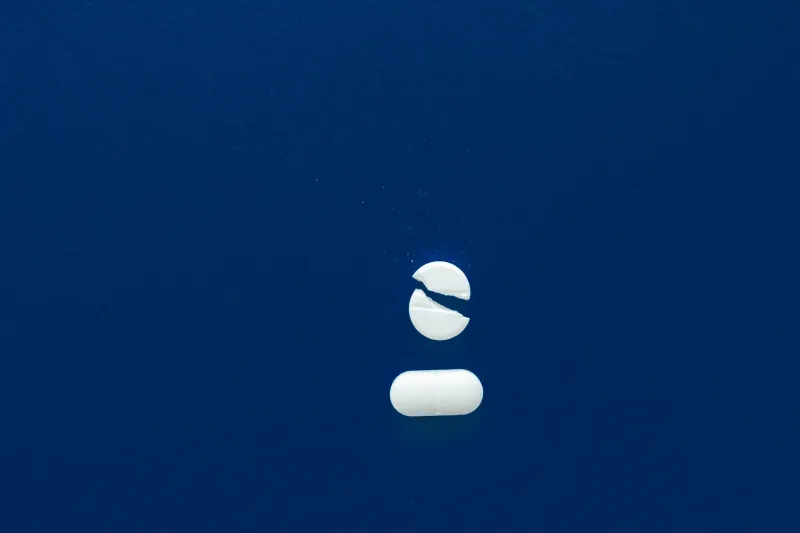
Prescription drug costs in the United States have pushed millions of patients to look for savings wherever they can find them. One strategy that surfaces regularly in conversations between patients and pharmacists is tablet splitting—purchasing a higher-dose pill and dividing it to achieve the prescribed lower dose at a reduced per-dose cost.
The logic is straightforward: pharmaceutical manufacturers frequently price a 20 mg tablet at only marginally more than a 10 mg tablet of the same drug. If your physician has prescribed 10 mg daily and a 20 mg tablet costs nearly the same, splitting the higher-dose tablet in half could theoretically cut your monthly medication cost by close to 50 percent.
That math is real. The savings, in the right circumstances, are genuine. But the strategy is not universally applicable, and applying it without proper guidance can compromise both medication efficacy and patient safety. Here is what the pharmacology actually tells us.
When Tablet Splitting Is Medically Legitimate
Not all drugs are created equal when it comes to dose optimization. Several characteristics make a medication a reasonable candidate for splitting.
Dose-proportional pricing with linear pharmacokinetics. For splitting to work therapeutically, the drug must behave predictably when the dose is halved. Many medications—particularly those used for chronic conditions like hypertension, high cholesterol, and certain psychiatric conditions—exhibit linear pharmacokinetics, meaning that half the dose produces approximately half the blood concentration and half the clinical effect. When the desired effect at the lower dose is clinically equivalent to what the higher dose produces in split form, the strategy is pharmacologically sound.
Scored tablets. A scored tablet—one with a manufactured indentation or groove—is specifically designed to be split. These tablets are manufactured to ensure relatively even distribution of the active ingredient, meaning a split tablet is more likely to contain approximately the intended half-dose. Many commonly split medications, including certain statins and antidepressants, are available in scored formulations.
Stable active ingredient distribution. Some tablets are manufactured with the active ingredient evenly distributed throughout the tablet matrix. These are generally good candidates for splitting. Others concentrate the active ingredient in specific layers or coatings, which can result in uneven dose distribution when cut.
Medications Frequently Identified as Splitting Candidates
Several drug classes have well-established histories of safe, cost-effective tablet splitting when done under pharmacist or physician guidance.
Statins—medications used to lower cholesterol—are among the most commonly split. Atorvastatin and simvastatin, for example, are available in higher doses that are often priced only marginally above lower doses. A patient prescribed 20 mg of atorvastatin daily might legitimately split a 40 mg tablet under their provider's guidance.
Certain antidepressants, particularly selective serotonin reuptake inhibitors such as citalopram and sertraline, are also frequently cited as candidates. Similarly, some antihypertensive agents and certain diabetes medications appear on lists maintained by pharmacists and cost-reduction researchers.
It is worth emphasizing that this is not a patient-initiated decision. Even for medications that are pharmacologically appropriate for splitting, confirmation from your pharmacist and prescribing physician is essential before beginning the practice.
When Tablet Splitting Becomes Dangerous
The categories of medications that should never be split are at least as important as those that can be.
Extended-release and modified-release formulations. Tablets labeled ER, XR, XL, SR, or CR are engineered to release their active ingredient gradually over an extended period. Splitting these tablets destroys the release mechanism, causing the full dose to be absorbed rapidly. This can produce dangerous peak concentrations, reduce the duration of therapeutic effect, and in some cases cause serious adverse events. This category includes many commonly prescribed medications for conditions ranging from ADHD to cardiac arrhythmia.
Enteric-coated tablets. These formulations are coated to prevent dissolution in the stomach, protecting either the patient's gastric lining or the medication itself from stomach acid. Splitting breaks the coating and eliminates this protection entirely.
Narrow therapeutic index drugs. Medications where the difference between a therapeutic dose and a toxic dose is small—anticoagulants, certain cardiac medications, and anticonvulsants, among others—require precise dosing that manual splitting cannot reliably achieve. Even a modest deviation from the intended dose can produce clinical consequences.
Capsules. Capsules contain powder, pellets, or liquid formulations that cannot be split in the same manner as tablets. Some capsule contents can be opened and divided under specific clinical guidance, but this is a different procedure with its own set of considerations.
Irregular or coated tablets. Tablets without score lines and those with film coatings that affect drug release are poor candidates for splitting, both because of uneven dose distribution and because cutting can compromise the integrity of the formulation.
The Practical Mechanics of Safe Tablet Splitting
For medications that have been confirmed as appropriate splitting candidates, the method of splitting matters.
A quality pill splitter—available at most pharmacies for a modest cost—produces more even halves than a knife, fingernail, or improvised cutting method. The tablet should be positioned carefully in the splitter's groove before cutting. Scored tablets should align with their manufactured groove.
Split tablets should be stored carefully. Exposed tablet surfaces are more susceptible to moisture and oxidation. Storing split tablets in a dry, sealed container and using each half within a short timeframe reduces degradation risk.
Patients with dexterity limitations, vision impairment, or conditions affecting hand strength may find accurate splitting difficult. In these cases, the practical risk of imprecise splitting may outweigh the financial benefit.
The Conversation Worth Having at Your Pharmacy Counter
Before attempting any form of dose optimization, a conversation with your pharmacist is the appropriate starting point. Pharmacists are specifically trained to evaluate whether a given medication is a safe splitting candidate and can review your full medication list for interactions and contraindications that might affect the strategy.
Questions worth asking include: Is this tablet formulated for splitting? Is the active ingredient evenly distributed? Does my insurance pricing make this worthwhile, or is there a lower-cost alternative? Are there manufacturer coupons or patient assistance programs that might produce comparable savings without the splitting complexity?
Your prescribing physician should also be informed of any dose optimization strategy. In some cases, they may be willing to write a new prescription for the higher-dose tablet with splitting instructions, which can facilitate insurance coverage of the larger tablet.
A Realistic Appraisal
Tablet splitting is neither a universal solution nor a pharmacological gamble—it is a tool with a defined scope of appropriate use. Within that scope, it represents a legitimate, evidence-supported method for reducing prescription costs without compromising therapeutic outcomes. Outside that scope, it can introduce risks that far exceed any financial benefit.
At UPharm U, we encourage patients to approach cost-reduction strategies the same way they approach any health decision: with accurate information, professional guidance, and a clear understanding of both the benefits and the boundaries. Your pharmacist is the most accessible clinical resource you have for questions exactly like this one.